
The Banana Museum in Tazacorte: times, price and what you will see
Two euros, half an hour, and the reason this whole valley is covered in banana plants as far as you can see.
by José Daniel «Dani» Martín, Banana grower and co-founder of Finca Amor Platánico
Published on · Updated on
Where it actually is
It sits on Calle Adalid, next to the Hacienda de Abajo, in the upper part of Tazacorte. And here is something that catches a lot of people out: Tazacorte is two places. Up the hill, the Villa, the old town, with the church and the old houses. Down by the sea, the Puerto, with the black sand beach and the restaurants. The museum is up the hill.
If you drive, the easy thing is to leave the car near the church or in one of the streets around it and walk down. These are narrow Canarian village streets, the kind that do not forgive a big car, but everything is two minutes away on foot.
What you will see
It is the only museum in Europe devoted to banana growing, which tells you something about what this crop means here. Inside you get the whole story: how the banana reached the island, how it is grown, how it is packed and how it has been exported for over a century.
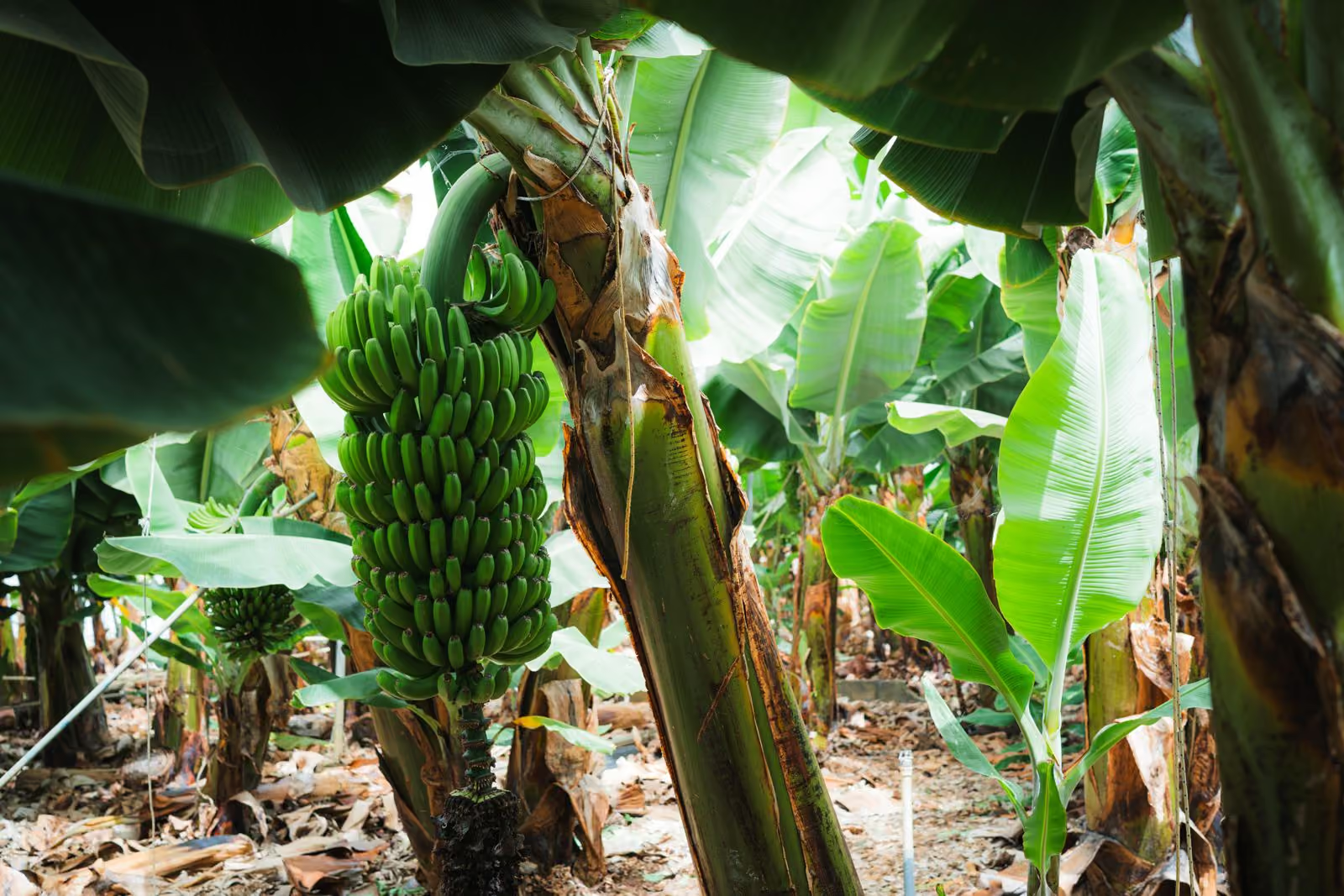
What I find most interesting is not any single fact but what it explains about the town. Bananas reorganised this entire valley. The terraces you see from the road, the water tanks, the pipes crossing the ravines, the port down below: all of it exists because of bananas. When you come out of the museum and look through the car window again, the landscape has changed.
They also sell local products made from bananas, if you want to take something home.
Opening times and price
It opens Monday to Saturday, from 10:00 to 13:30 and from 16:00 to 18:00. General admission is €2.
It is a small municipal museum, so if you are coming a long way and your morning depends on it, a quick call to the town hall (+34 922 48 08 03) saves you the disappointment of finding it closed.
How long you need
Between half an hour and forty-five minutes. It is not a museum to spend the morning in, and that is fine: it is a short stop that pays off.
If you have time to spare, take a walk around the old town while you are up there. The Hacienda de Abajo is right next door, and heading down towards the sea you join the coastal path to the Puerto.
The museum and a working farm: what each one gives you
People often ask me whether, having seen the museum, it is worth visiting a farm. And the other way round. My honest answer is that they tell you different things and work very well together.
The museum gives you the history and the context: the long century of growing, the exporting, the packing, the numbers. It is the why. They explain it well, and for two euros it is one of the best value things on the island.
A working farm gives you what a museum cannot: the heat under the leaves, the weight of a bunch when you lift it, water running down the channel, the smell of wet soil. Walking between the plants while someone who makes a living from this tells you why they cut when they cut.
If you have the whole morning, I would do both, and in that order: the museum first, to understand what this is about; the farm afterwards, to see it running. If you only have half an hour, the museum does the job on its own.
You can look at our 2 h 30 min guided visit or read first about what you see on a banana farm in La Palma.
Fitting it into a day
The combination that works best, and the one I suggest to people who call, is this: the farm visit at ten, which runs two and a half hours and ends with the tasting. At half past twelve, a short walk around the old town. At two, down to the Puerto for fish almost with your feet in the sand. And the museum at four, when it opens again.
That makes a full day without rushing anywhere. It does need to be a Tuesday, Wednesday, Friday or Saturday, the days we open (the museum does not open on Sundays).
The full plan, with the port and the area around the volcano, is in the guide to what to see and do in Tazacorte in one day.
If you are coming with children
The museum is recommended for families and the length works in your favour: half an hour is about what a child lasts before starting to ask when we are leaving.
What tends to hook them is not the history but the odd facts. That the banana plant is not a tree but a giant herb. That each plant gives one single bunch in its lifetime and is then cut down. They hear that in the museum and then recognise it on the farm, which is when it really lands.
If you are planning the whole trip, it is all in the guide to what to see and do in La Palma.
Opening times, price and location from the official tourism website of Tazacorte town council, turismotazacorte.es, checked on 10 October 2026. If you ever find something different, let us know and we will correct it.
Frequently asked questions
What are the opening times of the Banana Museum in Tazacorte?
It opens Monday to Saturday, from 10:00 to 13:30 and from 16:00 to 18:00.
How much does it cost to get in?
General admission is 2 euros.
Where is the Banana Museum?
On Calle Adalid, next to the Hacienda de Abajo, in the upper part of Tazacorte (the Villa). It is not in the Puerto de Tazacorte, which is down by the sea.
How long does it take to see?
Between half an hour and forty-five minutes.
Where can I park?
Near the church or in the surrounding streets. From there the museum is a couple of minutes on foot.
Is it worth it if I am already visiting a banana farm?
They tell you different things. The museum covers the history of the crop and the export trade; a working farm shows you how it is done today. If you have the whole morning, both fit and they complement each other.